

Registering a car in California is a vital step for any new or existing vehicle owner, ensuring legal compliance and facilitating smooth driving experiences. However, navigating the process can be daunting, given the intricate steps and requirements involved. This comprehensive guide aims to demystify the registration journey, offering expert insights on every stage. From gathering essential documents to understanding fee structures and even integrating a crucial DMV VIN verification, we’ll equip you with the knowledge needed to complete this critical task efficiently and accurately.
- Prepare Required Documents for Car Registration
- Visit California DMV: Steps and Procedures
- Perform DMV VIN Verification: A Comprehensive Guide
- Pay Car Registration Fees: Options and Due Dates
- Finalize and Receive Your Vehicle's Registration Papers
Prepare Required Documents for Car Registration

To register your car in California, you’ll need to gather essential documents, ensuring a smooth process with the Department of Motor Vehicles (DMV). One critical step is preparing for the DMV’s Vehicle Identification Number (VIN) verification, which requires accurate and accessible information. Begin by collecting all necessary paperwork, including your vehicle’s registration from the previous state (if applicable), proof of insurance, and a valid driver’s license. The VIN, a unique code etched into every car’s chassis, is paramount for this process; consider using a mobile VIN verifier to obtain this data quickly and accurately.
A mobile VIN inspection service can provide on-site verification, ensuring your vehicle’s history is up-to-date and accurate. This step is crucial, as the DMV may request this information during the registration. In California, for instance, the DMV offers a streamlined online registration process, but they still require a current VIN inspection report, especially if you’re transferring ownership or registering a new purchase. Many mobile services can perform this check using advanced technology, offering peace of mind and saving time compared to traditional methods.
Additionally, prepare other supporting documents like proof of residency (e.g., utility bill) and any fees required for registration. By ensuring these are ready before visiting the DMV, you’ll minimize potential delays. Remember, accurate VIN data is a cornerstone of this process, so utilize available mobile tools to make sure everything is in order, enhancing your overall experience with California’s vehicle registration requirements.
Visit California DMV: Steps and Procedures
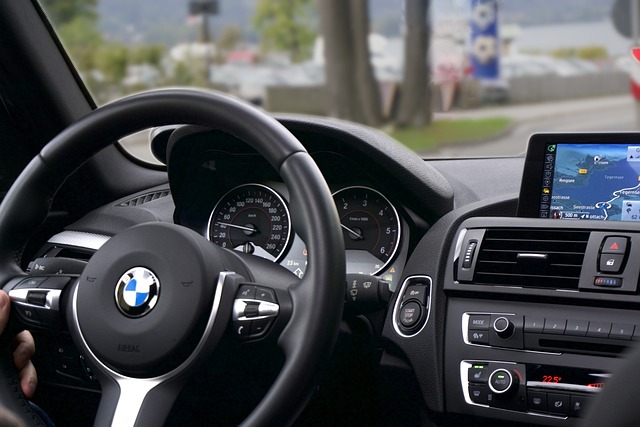
To register your car in California, you’ll need to visit a California Department of Motor Vehicles (DMV) field office. This process involves several steps, including providing necessary documents, passing emissions tests, and undergoing a Vehicle Identification Number (VIN) verification. The DMV offers both in-person and, in some cases, mobile VIN inspection services to ensure the vehicle’s authenticity and history.
When you arrive at the DMV, be prepared with key documents such as proof of ownership, your driver’s license, and current registration (if applicable). During the appointment, a DMV agent will verify your information and conduct a thorough inspection. This includes checking the VIN, which is crucial for identifying the vehicle’s unique history and ensuring it hasn’t been reported stolen or had unauthorized repairs. For those who are unable to visit a field office, the DMV provides mobile VIN verification services. This option allows you to have a certified inspector come to your location for an inspection, making the process more convenient, especially if you’re in a remote area.
It’s important to remember that some vehicles may require additional documents or inspections. For instance, classic cars or those with modified components might necessitate specialized paperwork. Ensure you check the DMV’s website for specific requirements based on your vehicle type. By following these procedures and utilizing available services like mobile VIN inspection, you can ensure a smooth car registration process in California.
Perform DMV VIN Verification: A Comprehensive Guide
Performing a DMV VIN verification is a crucial step in registering your car in California. This process ensures that your vehicle meets all safety and emissions standards before it can be legally operated on public roads. The California Department of Motor Vehicles (DMV) offers both in-person and mobile vin verification services, with the latter being particularly convenient for busy individuals or those in remote areas.
For a mobile vin verification, you’ll need to schedule an appointment with a certified inspector. These inspectors are equipped with specialized tools that enable them to conduct a thorough inspection of your vehicle’s unique Vehicle Identification Number (VIN). During this process, they will cross-reference the VIN against the DMV’s database to confirm the vehicle’s make, model, year, and other critical details. This step is essential to prevent fraud and ensure that only legitimate vehicles are registered. For instance, a study by the California DMV found that nearly 5% of attempted registrations involved suspicious or altered VINS, underscoring the importance of proper vin inspection.
One of the benefits of mobile vin verification services is their flexibility. They allow you to complete the necessary paperwork and inspection from the comfort of your home or office. This can save valuable time compared to visiting a DMV field office, especially in bustling urban areas where hustle and bustle often leads to long wait times. Additionally, mobile verifiers are equipped with up-to-date information and technology, ensuring that your vehicle passes inspection based on the most recent standards and regulations. Whether you’re registering a new or used car, undergoing a title transfer, or simply renewing your registration, ensuring that your vehicle’s VIN is verified by a professional inspector can streamline the process and offer peace of mind.
Pay Car Registration Fees: Options and Due Dates

Registering a car in California involves several steps, one of which is paying the requisite car registration fees. These fees cover various services, including vehicle inspection and road fund contributions. Understanding your options and due dates is crucial to ensuring a smooth process. The California Department of Motor Vehicles (DMV) offers both in-person and online payment methods for your convenience.
One key aspect of the registration process involves the DMV’s Vehicle Identification Number (VIN) verification. This step ensures that your vehicle meets all safety standards before issuing a registration. For instance, if you’re trading in an older model, thorough VIN inspection can help determine any outstanding recalls or potential issues, making it a vital part of responsible ownership. The process is straightforward; you simply provide your VIN through the DMV’s online portal or during an in-person visit, followed by a brief vehicle examination. Alternatively, many mobile vin verification services are now available, allowing for remote inspection via smartphone apps—a convenient option for those with busy schedules.
When it comes to fees, California charges based on several factors, including your vehicle’s type and age. As of recent data, the average car registration fee in California hovers around $50-$100, but this can vary significantly. Payment is typically due annually, though you may be eligible for a longer period under certain circumstances. Late fees apply if you miss the deadline, so it’s advisable to plan ahead and pay on time. Remember that some regions within California may have additional local fees, so always check with your local DMV branch for the most accurate information tailored to your specific vehicle and location.
Finalize and Receive Your Vehicle's Registration Papers

Finalizing your car’s registration in California involves a crucial step: receiving and understanding your vehicle’s registration papers. This process ensures you have all the necessary documentation to legally operate your car within the state. The California Department of Motor Vehicles (DMV) requires thorough verification, including a Vehicle Identification Number (VIN) check, to issue a registration. This is where mobile VIN inspection services play a pivotal role, offering convenient and accurate solutions.
When you’ve completed all other registration requirements, such as providing proof of insurance and paying the associated fees, it’s time for the DMV to conduct a VIN verification. They’ll cross-reference your vehicle’s unique VIN with their records to ensure it matches a valid, unencumbered vehicle. This step is vital to prevent fraud and ensure road safety. Many consumers opt for mobile VIN verifier services, which provide on-demand inspections at your convenience. These services employ specialized technology to perform the DMV’s vin verification process remotely, saving time and effort.
Should any discrepancies arise during the VIN check, the DMV will notify you promptly, allowing you to rectify the issue before finalizing registration. This meticulous approach ensures California’s roads are safe and well-regulated. Upon successful completion, you’ll receive your official vehicle registration papers, which serve as legal proof of ownership and compliance with state regulations. Always review these documents carefully, as they outline important details about your car’s registration status and any associated restrictions or requirements.
By meticulously preparing your required documents, navigating the California DMV’s steps and procedures, successfully performing a DMV VIN verification, understanding car registration fee options and due dates, and finally receiving your vehicle’s registration papers, you’ve completed the critical process of registering your car in California. This authoritative guide has empowered you with the knowledge to confidently tackle each step, ensuring compliance and peace of mind. Moving forward, remember the significance of accurate documentation, timely renewals, and the importance of a thorough DMV VIN verification as key elements in maintaining legal and safe vehicle ownership.