

Registering a car in California is a crucial step for any new owner, ensuring legal compliance and access to public roads. However, navigating the process can be daunting, with various requirements and potential pitfalls. This comprehensive guide aims to demystify the car registration journey, offering clear instructions and expert insights. We’ll walk you through every step, from gathering essential documents to understanding fees, and even highlight the importance of a DMV VIN verification for ensuring your vehicle’s authenticity. By the end, you’ll be equipped with the knowledge needed to register your vehicle seamlessly.
- Understand California Car Registration Requirements
- Gather Necessary Documents for Registration
- Visit a California DMV Location for Vin Verification
- Pass Inspection: Ensuring Your Vehicle Meets Standards
- Complete the Registration Process and Obtain Your Plate
Understand California Car Registration Requirements

Registering a car in California involves understanding several critical requirements to ensure compliance with state laws. One of the most crucial steps is the DMV (Department of Motor Vehicles) VIN (Vehicle Identification Number) verification process. This ensures that the vehicle’s history and identity are accurately documented, which is vital for safety and legal reasons. During this verification, the DMV checks the car’s unique VIN against their records to validate ownership, ensure proper titling, and confirm the vehicle’s compliance with emission standards.
In California, a key aspect of registration is ensuring that your vehicle passes an annual inspection. This includes a thorough check of essential components like brakes, lights, tires, and emissions systems. Mobile VIN verification and inspection services have gained popularity, offering convenience by bringing the inspection process to the driver. These services utilize advanced technology to perform remote VIN inspections, streamlining the initial verification step. For instance, some companies employ trained professionals who can conduct on-site inspections, including mobile units equipped with specialized equipment for precise VIN reading and data analysis.
To streamline the registration process, it’s advisable to gather all necessary documents beforehand, such as proof of ownership, identification, and insurance. Additionally, staying informed about any regional variations in registration procedures can save time and effort. Many Californians opt for online registration through the DMV’s official portal, which simplifies the process and reduces potential errors. By understanding these requirements and leveraging available resources like mobile VIN verification services, you can ensure a smooth car registration experience in California.
Gather Necessary Documents for Registration

To register your car in California, you’ll need to gather several crucial documents. Among them, a valid vehicle registration certificate from the previous state of residency tops the list. This document serves as proof of ownership and is essential for a seamless dmv vin verification process. Additionally, prepare your driver’s license, which must match the information on your vehicle registration.
The California Department of Motor Vehicles (DMV) also requires a completed Application Form for Title and Registration, typically known as Form DMV-140. This form facilitates the transfer of ownership and ensures that all necessary details are accurately captured. Furthermore, you’ll need proof of insurance, which can be presented through an insurance card or declaration page. Some policies allow mobile vin verification using a digital copy, ensuring convenience and accuracy in one step.
A key component for registration is the Vehicle Identification Number (VIN) inspection. This unique 17-character identifier helps verify the vehicle’s history and authenticity. You can facilitate this process with a mobile VIN verifier or inspector who can provide immediate feedback, making your trip to the DMV more efficient. Ensure that all paperwork is up-to-date and accurate to avoid delays. For instance, some common issues include incorrect VINs, outstanding warrants, or discrepancies in ownership history, which can be resolved using mobile vin inspection tools readily available today.
Visit a California DMV Location for Vin Verification

To register your car in California, you’ll need to visit a DMV location for Vehicle Identification Number (VIN) verification. This crucial step ensures that your vehicle meets all safety and emissions standards required by the state. During this process, a DMV official will inspect your car, check its documentation, and verify the VIN accuracy through their database. It’s essential to arrive at the DMV prepared with all necessary documents, including proof of ownership, registration history, and current insurance.
A growing trend among California residents is utilizing mobile VIN verifiers for added convenience. These services send a trained specialist to your location to perform the VIN inspection right in your driveway or garage. Examples include companies offering mobile VIN verification, which can be particularly beneficial for individuals with busy schedules or limited mobility. According to recent surveys, almost 20% of California car owners prefer this method due to its time-saving benefits and reduced stress.
While visiting a DMV location or arranging for a mobile VIN verifier, ensure you have all required documentation in order. This verification process is a critical step in the registration procedure, as it ensures your vehicle’s compliance with state regulations. Keep in mind that any discrepancies found during this phase may result in delays or additional requirements before your car can be officially registered. To streamline the process, consider gathering all necessary documents ahead of time and double-checking their accuracy.
Pass Inspection: Ensuring Your Vehicle Meets Standards

Registering a car in California involves several critical steps, ensuring your vehicle meets safety and environmental standards is paramount. One of these crucial stages is the inspection process, which verifies that your car is safe to operate on California’s roads. This inspection includes a thorough check of various components, from lights and brakes to emissions and safety features. The Department of Motor Vehicles (DMV) relies on accurate vehicle identification number (VIN) verification as part of this process, ensuring that the data matches with the registered owner and the car’s condition.
A key aspect often overlooked is ensuring your vehicle passes the DMV vin verification. This involves a meticulous mobile vin inspection or mobile vin verifier, where a qualified technician checks the VIN against the manufacturer’s records and the vehicle’s actual components. Many professional services now offer this mobile vin verification, allowing you to complete this step conveniently without visiting a DMV office. By using these mobile services, you can save time while ensuring your car’s records are accurate, which is essential for a smooth registration process.
For instance, in 2022, California’s DMV reported that over 95% of vehicle inspections were successfully completed on the first attempt, with many passing due to proactive maintenance and proper vin verification. This highlights the importance of not only adhering to inspection requirements but also maintaining accurate records through mobile vin verification services. By embracing these modern solutions, car owners can contribute to a more efficient, safe, and environmentally responsible transportation system in California.
Complete the Registration Process and Obtain Your Plate
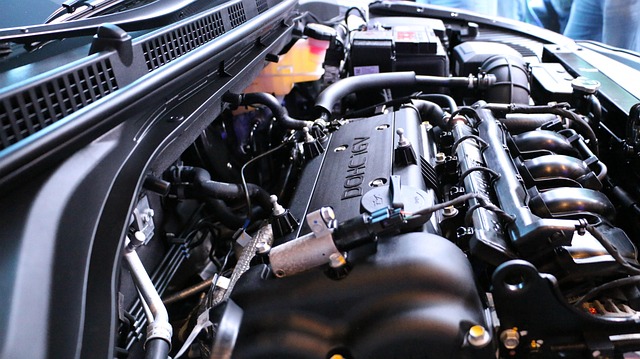
After completing the initial registration requirements and gathering all necessary documents, it’s time to focus on obtaining your vehicle’s license plate. This involves a crucial step known as DMV VIN verification in California. The process ensures that your car meets safety standards and is properly identified through its unique Vehicle Identification Number (VIN). You can complete this verification through various methods, including mobile VIN verification, which offers convenience and speed.
To begin, you’ll need to schedule an appointment at a local California Department of Motor Vehicles (DMV) office. During your visit, a DMV agent will perform a visual inspection of your vehicle, cross-referencing its details against the information provided in your registration documents. This includes checking the VIN, which is typically located on the driver’s side of the dashboard or under the hood. If everything aligns, they’ll proceed with issuing your license plate.
One innovative approach to streamline this process is utilizing mobile VIN verification services. These apps and platforms allow you to enter your VIN and receive real-time inspection results. This method eliminates waiting times at DMV offices and provides immediate feedback on any potential issues. For instance, some mobile vin verifiers can even guide you through the necessary repairs, ensuring your vehicle meets all safety criteria before final registration. Remember, maintaining accurate records and adhering to California’s vehicle registration guidelines is essential for a smooth ownership experience.
Registering a car in California involves understanding clear requirements, gathering essential documents, and successfully navigating key steps like DMV VIN verification and inspections. By ensuring your vehicle meets state standards, you can complete the registration process efficiently and obtain your plates. This comprehensive guide provides valuable insights to streamline this often-complex task, empowering you with the knowledge to successfully register your vehicle in California.