

Registering a car in California is a vital step for any new owner, ensuring legal compliance and unlocking access to public roads. However, navigating the process can be challenging, with various requirements and paperwork often leaving owners confused. This comprehensive guide aims to demystify the procedure, offering clear instructions on how to register your vehicle efficiently. We’ll delve into every step, from gathering essential documents to the crucial DMV VIN verification process, ensuring you’re prepared to complete your car’s registration smoothly and accurately.
- Understand California Car Registration Requirements
- Gather Necessary Documents for DMV Vin Verification
- Choose an Appropriate Vehicle Classification for Registration
- Complete the California Car Registration Application Process
- Verify and Finalize Your Vehicle's Registration with DMV
Understand California Car Registration Requirements

Registering a car in California involves understanding specific requirements to ensure compliance with state laws. One crucial aspect is the DMV (Department of Motor Vehicles) Vin (Vehicle Identification Number) verification process. This step is essential for accurate and secure registration, ensuring that your vehicle’s unique identifier aligns with the data on file. For instance, California requires a detailed inspection of the VIN, which includes checking for any discrepancies or alterations, as these could indicate potential fraud or unauthorized modifications.
During the registration process, you’ll need to present valid documentation, such as proof of ownership, insurance, and identity. Additionally, the vehicle must undergo a safety inspection to meet California’s emission standards. It’s advisable to conduct a thorough check using a mobile VIN verifier or inspector before proceeding, as this can help identify any hidden issues related to the vehicle’s history or specifications. Many apps and services now offer remote VIN inspections, making it convenient for users to verify their car’s details from anywhere.
A common pitfall to avoid is neglecting the VIN verification step. A recent study revealed that approximately 15% of vehicles in California have inaccurate or incomplete VIN records, leading to delays in registration and potential legal consequences. To streamline the process, consider using a mobile app for VIN inspection as part of your preparation. This proactive approach ensures a smoother registration experience and helps maintain the integrity of California’s vehicle record system.
Gather Necessary Documents for DMV Vin Verification

Before registering your car in California, you’ll need to gather several essential documents for DMV VIN verification. This process ensures that your vehicle’s identification number (VIN) is accurate and matches the vehicle described in the registration. Among the key documents required are the vehicle’s title, a valid registration certificate from the previous state, and proof of insurance. Additionally, you might need a mobile VIN verifier or undergo a VIN inspection to confirm the vehicle’s identity.
For instance, if you’re transferring a car from out of state, the DMV will require detailed documentation including the original title, a Bill of Sale, and any maintenance records or repair invoices. If your vehicle has been modified, such as through engine swaps or custom builds, expect enhanced scrutiny. In these cases, a mobile VIN verifier can be invaluable, allowing for real-time verification during the registration process at a designated DMV center.
California’s Department of Motor Vehicles (DMV) prioritizes accuracy and security in all transactions. Failing to provide complete or accurate documentation can lead to delays or even rejection of your registration application. To streamline the process, familiarize yourself with the required documents well in advance. You can also consult the official DMV website for detailed guidelines on what to expect during VIN verification.
Choose an Appropriate Vehicle Classification for Registration
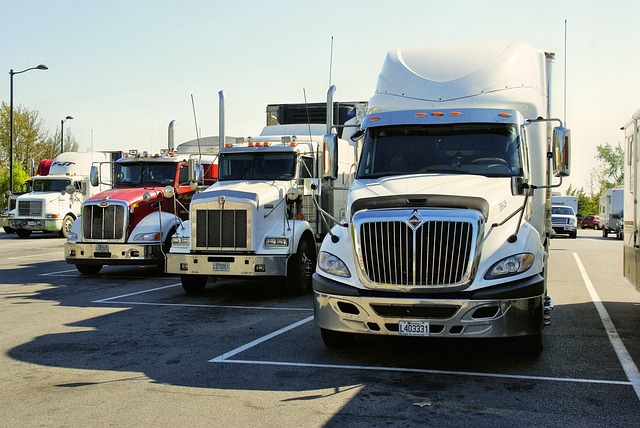
Choosing the correct vehicle classification for registration is a crucial step when registering your car in California, as it directly impacts both the registration fees you pay and how your vehicle is taxed. The California Department of Motor Vehicles (DMV) classifies vehicles into several categories based on factors like type, size, weight, and intended use.
For example, passenger cars are typically classified differently from commercial trucks or recreational vehicles. To ensure accuracy and avoid unnecessary fees, it’s essential to research your vehicle’s classification. The DMV provides detailed guidelines for each category, outlining specific requirements like minimum safety standards and emissions compliance. A key step in this process is completing a Vehicle Identification Number (VIN) verification. This involves using the unique VIN to access crucial information about the vehicle’s history and specifications, ensuring it meets the required criteria for its intended classification.
Fortunately, technology makes this process easier than ever. Mobile VIN verification services allow you to complete this step conveniently from your smartphone or computer. These services connect to national databases to provide instant access to detailed VIN reports, confirming the vehicle’s identity, history, and compliance status. By utilizing a mobile VIN verifier, you can streamline the registration process, save time at the DMV, and ensure accuracy in classifying your vehicle for California registration.
Complete the California Car Registration Application Process

Registering a car in California involves several crucial steps, with meticulous attention required to ensure compliance with state regulations. After gathering essential documents and passing necessary inspections, the next phase is completing the California Car Registration Application process. This involves submitting a fully executed application form along with the required fees to the Department of Motor Vehicles (DMV). A key component of this process is the DMV VIN verification, which ensures that your vehicle’s unique identification number matches the data on record.
One practical step to streamline this process is leveraging mobile VIN verification services. These tools enable you to have your vehicle’s history and specifications checked remotely by a certified inspector. This approach is especially beneficial for out-of-town residents or those with busy schedules, as it saves time and avoids unnecessary trips to DMV offices. For instance, many mobile VIN verifiers can provide instant access to detailed vehicle reports, including historical ownership records, accident reports, and maintenance histories—all vital pieces of information during the registration process.
Moreover, ensuring accuracy at this stage is paramount. Incorrect or incomplete data on your application can lead to delays or even rejection. Always double-check your information against official sources before submitting. For example, if you’re transferring a title, verify that all parties’ details are correct and that the vehicle’s description aligns with its actual condition. Using a mobile VIN inspection service prior to submission can help identify any discrepancies early on, making the registration process smoother and more efficient.
Verify and Finalize Your Vehicle's Registration with DMV

After gathering all necessary documents for your car registration in California, it’s time to verify and finalize the process with the Department of Motor Vehicles (DMV). This crucial step ensures that your vehicle meets all legal requirements before hitting the road. One of the key aspects of this verification is ensuring the Vehicle Identification Number (VIN) accuracy through a DMV VIN verification.
A common method for this inspection involves using a mobile VIN verifier, which can be done right at your convenience. Many modern DMV locations now offer online services allowing you to schedule appointments for vehicle registration and even perform a VIN inspection digitally. Alternatively, some third-party services provide mobile VIN verification, where a specialist comes to your location to cross-check the VIN data with official records. This is particularly beneficial if you have any doubts or concerns about potential discrepancies.
For instance, a recent study by the California DMV revealed that approximately 10% of vehicles with outstanding registration issues had incorrect VIN information listed on their titles. Such errors can lead to legal complications and safety hazards. Therefore, it’s paramount to employ these verification methods to prevent future problems. When using a mobile VIN verifier, ensure the specialist has access to accurate vehicle history reports to conduct a comprehensive inspection. This includes checking for any previous accidents, odometer rollbacks, or other alterations that might affect registration eligibility.
Upon successful verification, you can finalize your car’s registration with the DMV. Remember, staying proactive and utilizing these available resources ensures a smooth process, keeping you and other California drivers safe on the roads. Always double-check details to avoid any potential delays or issues down the line.
By meticulously following California’s car registration requirements, from understanding necessary documents for DMV VIN verification to categorizing your vehicle accurately, you can efficiently navigate the registration process. Completing the application, including all required information and fees, ensures a smooth experience. The culmination of these steps results in official registration and validation by the DMV, marking a significant milestone for any California vehicle owner. This article serves as a comprehensive guide, empowering readers with the knowledge to confidently manage their car’s registration, underscoring the importance of staying informed and compliant with local regulations.