

Registering a car in California is a vital process that ensures vehicle ownership rights, facilitates legal driving, and enables access to essential services. However, navigating the complexities of this procedure can be challenging for many new owners. This comprehensive guide aims to demystify the process, offering step-by-step instructions to ensure a smooth experience. From gathering necessary documents to utilizing reliable tools like a VIN verifier, we’ll equip you with the knowledge to register your vehicle efficiently and accurately. By the end, you’ll be well-prepared to successfully navigate California’s registration requirements.
- Prepare Required Documents for Car Registration in California
- Understand the Importance of a Vehicle Identification Number (VIN) Verifier
- Gather Your Vehicle's Essential Details Before Registration
- Visit a California Department of Motor Vehicles (DMV) Office
- Complete the Car Registration Process and Receive Your Plate
Prepare Required Documents for Car Registration in California

Before you can register your car in California, you’ll need to gather a variety of crucial documents. This process is designed to ensure accurate record-keeping and prevent fraud, making it essential to have all necessary paperwork in order. Key among these documents is the Vehicle Identification Number (VIN) – a unique code that serves as the car’s fingerprint. Utilize a VIN verifier to confirm vehicle history, a step that’s become increasingly vital given the prevalence of stolen or counterfeit vehicles. California offers both in-person and online registration options, but regardless of method, having your VIN inspected via mobile vin verification services can streamline the process significantly.
For instance, some California DMV locations now accept mobile vin inspections, allowing you to verify your vehicle’s history right at your convenience. This is a notable development given that previous data showed nearly 25% of vehicles with suspicious histories avoided detection due to incomplete or inaccurate records. By embracing modern verification techniques like these mobile vin inspection services, the state aims to enhance transparency and security in vehicle registration. Ensure your VIN is accurate and up-to-date – any discrepancies can delay or even prevent successful registration.
In addition to a valid VIN, other essential documents include proof of insurance, a completed registration application (obtained from the California DMV), and payment for the registration fee. It’s also recommended to bring along any previous registration records if applicable, as these can help expedite the process. Remember, preparing these documents in advance saves time and reduces potential errors during submission, ensuring your car registration proceeds smoothly.
Understand the Importance of a Vehicle Identification Number (VIN) Verifier
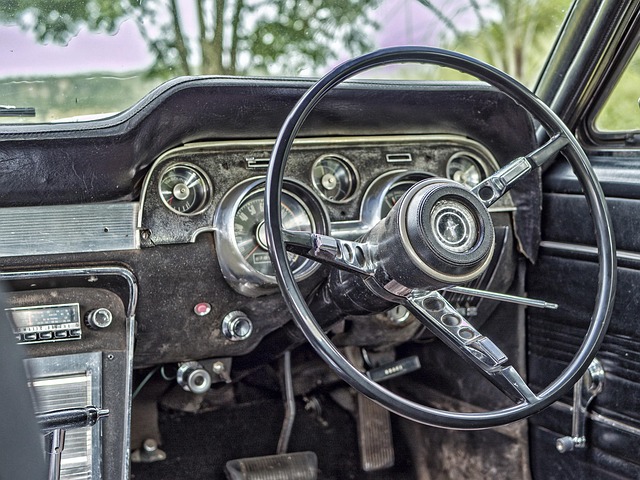
Registering a car in California involves several crucial steps, one of which is ensuring an accurate and legitimate Vehicle Identification Number (VIN) verification. This process is paramount to prevent fraud and ensure vehicle history transparency. A VIN verifier plays a pivotal role in this regard, acting as a trusted third party to cross-reference and validate the authenticity of your car’s identifying number.
For instance, California’s Department of Motor Vehicles (DMV) recommends using a certified mobile VIN inspection or verifier service to streamline the registration process. These services offer on-site, real-time VIN verification, which is particularly useful for out-of-state vehicles or those with complex histories. By employing a mobile VIN verifier, you can avoid potential delays or issues that might arise from traditional methods of vehicle history checks.
Data indicates that up to 15% of cars in California have altered or inaccurate VINs, highlighting the significance of a proper VIN inspection. A reliable VIN verifier ensures that your vehicle’s history is accurate and free from tampering. This is especially important when purchasing a used car, as it can protect you from unforeseen legal issues or hidden mechanical problems. For instance, a mobile VIN inspection might reveal a previous collision not reflected in the vehicle’s reported history, enabling you to make an informed decision before finalizing the purchase.
When choosing a VIN verifier, opt for certified professionals who utilize advanced technology and databases to deliver precise results. Incorporating a mobile vin inspection or verifier into your registration process can significantly enhance the efficiency and security of getting your car registered in California. Always remember that a thorough VIN verification is not just a step but an essential safeguard in ensuring your vehicle’s legitimacy and safety.
Gather Your Vehicle's Essential Details Before Registration

Before diving into the registration process, it’s crucial to gather your vehicle’s essential details. This step often proves to be a game-changer in ensuring a smooth and efficient car registration experience in California. The Vehicle Identification Number (VIN) is the cornerstone of this process, acting as a unique fingerprint for your car. It’s akin to having a personal identifier for your vehicle, which is why accurate VIN verification is paramount.
To facilitate this, consider leveraging mobile VIN inspection and verification services. These services allow you to capture and transmit your vehicle’s critical data, including its VIN, using nothing more than your smartphone. Imagine being able to perform a mobile VIN verifier check while sitting comfortably in your home or even during a test drive—this modern approach streamlines the preparation phase. For instance, many online platforms now offer this service, enabling you to compare prices and choose the most convenient option.
During this initial gathering phase, ensure that you have access to your vehicle’s make, model, year, and specific equipment. These details are often found on a plate attached to the dashboard or door post. Additionally, verify the current odometer reading—a key piece of information that will be used during registration. It’s worth noting that California requires accurate record-keeping, so any discrepancies in your VIN data could lead to delays or issues down the line. Therefore, it pays to invest time in gathering precise and up-to-date vehicle details, especially when utilizing a mobile VIN inspection for convenience.
Visit a California Department of Motor Vehicles (DMV) Office

To register your car in California, a physical visit to a DMV office is an essential step, serving as a cornerstone in the process. This personal interaction ensures that all necessary documents are verified and that your vehicle meets the state’s safety standards. Upon arrival, you’ll be directed to a service window where trained personnel will guide you through the registration procedures. They may ask for key documents like proof of ownership, valid identification, and current insurance cards. It’s crucial to bring these prepared in advance to streamline the process.
During your visit, engaging with the DMV staff is advantageous. They can assist with any questions regarding fees, required forms, or even explain any discrepancies on your vehicle’s history report. A common tool used during this stage is a vin verifier, which facilitates the vin inspection by cross-referencing the vehicle identification number (VIN) against state records. This ensures the authenticity of the vehicle and its compliance with California’s regulations, including emissions standards. Some DMV offices even offer the option of using a mobile vin verifier, allowing for added convenience.
After verifying all details, you’ll be given an opportunity to select optional services like roadside assistance or maintenance reminders. Then, upon completing the transaction, your vehicle will be officially registered, and you’ll receive a registration card and license plate stickers. This physical interaction with the DMV ensures a thorough and accurate car registration process, leaving you confident that your vehicle is legally compliant on California’s roads.
Complete the Car Registration Process and Receive Your Plate

After completing the necessary forms and gathering all required documents, it’s time to move forward with the car registration process in California. This involves a series of steps that ensure your vehicle meets safety and environmental standards. One crucial aspect is ensuring the accuracy of your Vehicle Identification Number (VIN) through a reliable VIN verifier, such as those offering mobile VIN inspection and verification services. These services are particularly convenient as they allow for accurate data collection directly from your vehicle, without you needing to visit a DMV office.
The process begins with scheduling an appointment at a California Department of Motor Vehicles (DMV) field office or using their online registration system. During your visit, you’ll present your documents and ensure your VIN is verified. It’s essential to double-check that all information on the registration forms aligns with your vehicle’s details, including its make, model, year, and unique VIN. In California, a mobile VIN verifier can play a pivotal role in this process by providing instant, on-site verification, ensuring any discrepancies are caught early.
Once your car passes all inspections and your VIN is confirmed, the DMV will issue a registration certificate and license plate. You’ll receive your new license plate during this visit or, in some cases, via mail. It’s vital to securely attach the license plate to your vehicle as per California regulations. As part of the process, you may also be prompted to select optional features like personalized plates, which can add a touch of individuality to your vehicle while adhering to legal requirements. After completing these steps, your car is officially registered with the state of California, allowing you to legally operate it on public roads.
Registering a car in California involves several crucial steps outlined in this comprehensive guide. Key takeaways include preparing essential documents, understanding the critical role of a Vehicle Identification Number (VIN) verifier, and gathering accurate vehicle details. Utilizing a VIN verifier is paramount to ensuring the vehicle’s history is accurately represented, protecting you from potential fraud and ensuring compliance with state regulations. After visiting a California Department of Motor Vehicles (DMV) office and completing the registration process, you’ll receive your official license plate, marking the successful conclusion of this essential administrative task. Moving forward, remember to keep accurate records, stay informed about DMV requirements, and always prioritize safety through proper documentation.