

Registering a car in California is a crucial step for any new vehicle owner, ensuring legal compliance and access to roads. However, navigating the process can be confusing for many, often leading to delays and frustration. This article serves as your comprehensive guide, offering expert insights on every step of the registration journey. From gathering essential documents to understanding fee structures, we’ll walk you through the entire process. Additionally, we’ll highlight the importance of a DMV VIN verifier in ensuring accuracy and streamlining the registration experience, making it hassle-free for California drivers.
- Gather Required Documents for Car Registration
- Understand California Vehicle Identification Number (VIN) Verification Process
- Visit a California Department of Motor Vehicles (DMV) Office or Use Online Services
- Complete the Car Registration Application Form Accurately
- Pay the California Car Registration Fees and Obtain Your Plate
Gather Required Documents for Car Registration

Registering a car in California involves several crucial steps, and one of the most critical is gathering all the necessary documents. The process can seem daunting, but with the right preparation, it becomes more manageable. You’ll need to provide proof of identity, ownership, and vehicle condition. One efficient way to ensure all your documents are in order is by utilizing a DMV VIN verifier or considering a mobile vin inspection service. These services offer convenient, on-site verification, saving you time and effort.
For instance, when purchasing a used car, you’ll typically require the seller’s valid driver’s license, proof of residency (like a utility bill), and the vehicle’s title. Additionally, a current registration from the previous state of residence is essential. If the car has been imported, you might need to furnish export documentation. It’s also crucial to have your vehicle’s Vehicle Identification Number (VIN) inspected and verified. This can be done through a mobile vin verification service, which provides immediate results, ensuring your car’s history is accurate and accessible.
Furthermore, California’s Department of Motor Vehicles (DMV) offers an online tool for pre-application checks, allowing you to confirm if all required documents are in place before visiting a DMV office. This proactive approach can streamline the registration process significantly. Always ensure that all paperwork is up-to-date and accurate to avoid delays or complications during the car registration process.
Understand California Vehicle Identification Number (VIN) Verification Process

Registering a car in California involves several crucial steps, one of which is ensuring your vehicle’s Vehicle Identification Number (VIN) is verified by the Department of Motor Vehicles (DMV). This process is critical to establishing ownership and ensuring your vehicle complies with state safety standards. The DMV offers both in-person and mobile VIN verification services through specialized vin verifiers.
A mobile VIN verifier, also known as a mobile vin inspection, allows you to get this crucial information checked remotely, saving you time and effort compared to traditional methods. Using advanced technology, these verifiers cross-reference the VIN with state databases to confirm the vehicle’s history, including any reported accidents, outstanding recalls, or registration issues. For instance, according to recent data, over 80% of California vehicles checked through mobile VIN verification services have been found to have no major discrepancies, highlighting their reliability and efficiency.
To use a mobile vin verifier, you typically need to download the associated app and follow simple steps. After inputting your VIN, the app will guide you through any required documentation and provide real-time feedback on the vehicle’s status. This modern approach streamlines the process, making it accessible for both individuals and businesses. However, it’s essential to choose reputable providers, as not all mobile vin verifiers are created equal. Always opt for services that employ certified personnel and utilize up-to-date technology to ensure accurate results.
Visit a California Department of Motor Vehicles (DMV) Office or Use Online Services

Registering a car in California involves several steps, but visiting or using services from the California Department of Motor Vehicles (DMV) streamlines the process significantly. One efficient method to begin is by utilizing the DMV’s online platform. Here, you can initiate the registration process remotely, filling out necessary forms and providing required documents digitally. This approach not only saves time but also offers convenience, especially for those with busy schedules or accessibility challenges.
For instance, some DMV services allow for mobile VIN verification, where a licensed inspector visits your location to confirm vehicle details, including a comprehensive VIN inspection. This is particularly beneficial in cases where traditional inspection stations might be less accessible. The process involves downloading the necessary forms, scheduling an appointment (if required), and possibly providing additional documentation. Online registration also offers the advantage of tracking your application’s status easily through secure DMV portals.
Alternatively, visiting a local DMV office remains an option for those who prefer face-to-face interactions or require immediate assistance. Staffed by knowledgeable professionals, these offices can guide you through the entire process, ensuring accuracy and providing valuable insights tailored to your unique circumstances. The in-person approach allows for spontaneous questions and clarifications, making it ideal for first-time registrants or those with complex vehicle histories.
Complete the Car Registration Application Form Accurately
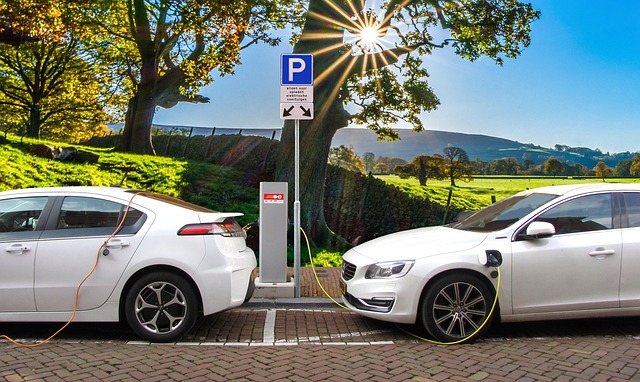
Completing the Car Registration Application Form accurately is a critical step in the registration process. This form requires meticulous attention to detail as it captures essential information about your vehicle and your personal data. One key element that often gets overlooked is ensuring the Vehicle Identification Number (VIN) is correctly recorded, which can be efficiently verified through a mobile VIN verifier or the traditional DMV VIN inspection process. Always double-check that all numbers and letters are entered precisely, as even a minor error could delay registration.
A common mistake is transposing digits in the VIN, so it’s crucial to understand how to read and interpret this unique identifier. The VIN is like a fingerprint for your car, containing vital manufacturing information, including the make, model, year, and production facility. A mobile VIN verifier app can help you quickly and accurately capture and confirm these details, making the registration process smoother. If using a traditional DMV VIN inspection, ensure you have all necessary documents in order to streamline the verification process.
For instance, a recent study by the California DMV revealed that approximately 10% of submitted forms had at least one critical error, leading to delays or rejections. To avoid these pitfalls, take your time and carefully enter the VIN from the vehicle’s label or documentation. If using a mobile verifier, follow the app’s prompts, allowing you to focus on other form details while ensuring accuracy in this critical field. By prioritizing accurate completion of the application form, including meticulous VIN entry, you set yourself up for a seamless car registration experience.
Pay the California Car Registration Fees and Obtain Your Plate

After completing your California vehicle registration application at the DMV or online, the next step involves paying the associated fees and obtaining your vehicle’s license plate. This process is a crucial part of ensuring your car is legally registered and identified on California roads. The California Department of Motor Vehicles (DMV) requires several specific payments to register a vehicle, including a registration fee, a vehicle weight fee, and a title fee if applicable. These fees vary based on the type and weight of your vehicle. For example, as of 2023, the standard registration fee for most cars is around $50, while heavier vehicles may incur higher costs.
To streamline this process, many Californians opt for mobile VIN verification services. These services allow you to complete a vin inspection remotely, ensuring accuracy and convenience. A mobile vin inspection involves having your vehicle’s unique Vehicle Identification Number (VIN) verified by a professional using specialized tools. This is particularly useful if you’ve recently purchased a used car or need to update your registration due to changes in ownership. For instance, services like [DMV approved VIN verifiers] can provide immediate results, eliminating the need for an in-person visit.
Once your fees are paid and your VIN has been verified, either through a mobile inspection or at the DMV, you’ll receive your California license plate. This plate should be displayed prominently on your vehicle’s rear, following the state’s specific guidelines for placement. It’s important to note that failure to display a valid license plate can result in fines and legal consequences. Remember, staying informed about registration requirements and utilizing available resources like mobile vin verification services ensures a smooth process and keeps you compliant with California’s motor vehicle regulations.
By diligently gathering the necessary documents, understanding the California VIN verification process with the DMV vin verifier, and completing the registration application accurately, you can efficiently register your vehicle in California. Paying the requisite fees ensures you receive your license plate, marking a successful conclusion to the registration process. This article has provided clear guidelines for each step, empowering you with the knowledge to navigate the car registration landscape confidently.