

Registering a car in California is more than just a bureaucratic formality; it’s a crucial step for any vehicle owner, ensuring legal compliance and protecting your investment. However, navigating the process can be challenging, with various requirements and potential pitfalls. This article serves as your comprehensive guide, equipping you with the knowledge to streamline the registration process, from gathering essential documents to understanding fees. We’ll also emphasize the critical role of Vehicle Identification Number (VIN) verification in ensuring the authenticity of your vehicle, a step often overlooked but vital for both buyers and sellers.
- Prepare Your Documents for Car Registration
- Understand California's Vehicle Registration Process
- Obtain a Vehicle Identification Number (VIN) Verification
- Select an Appropriate Registration Type and Fee Payment
- Submit Your Application and Receive Your Registration Papers
Prepare Your Documents for Car Registration

Registering a car in California involves meticulous preparation, especially when it comes to assembling the necessary documents. Among these, the Vehicle Identification Number (VIN) verification stands out as a critical step. This process ensures that your vehicle’s details match those on record with the manufacturer and helps prevent fraud. One efficient method for VIN verification is through the use of a mobile VIN verifier, which allows you to inspect your car’s VIN without leaving home. These tools not only simplify the process but also enhance accuracy by providing real-time data access.
When preparing your documents, ensure that your vehicle’s registration certificate and title are up to date. The California Department of Motor Vehicles (DMV) requires these documents to be free from any liens or encumbrances. Additionally, you’ll need to provide proof of insurance, which can be in the form of a policy document or an official notification from your insurance company. Another crucial element is completing Form DV-140, which is specifically designed for registration and title transactions. This form requires detailed information about your vehicle, including its make, model, year, and VIN.
A key consideration during document preparation is ensuring the accuracy of your Vehicle Identification Number (VIN). This unique 17-character code is scattered across various parts of your car and can be easily verified using a mobile VIN inspection tool. For instance, many mobile apps offer VIN scanners that cross-reference your vehicle’s data with national databases, providing instant validation. Accurate VIN documentation not only facilitates smoother registration but also serves as a powerful defense against potential issues in the future, such as identity theft or fraudulent transactions.
Understand California's Vehicle Registration Process
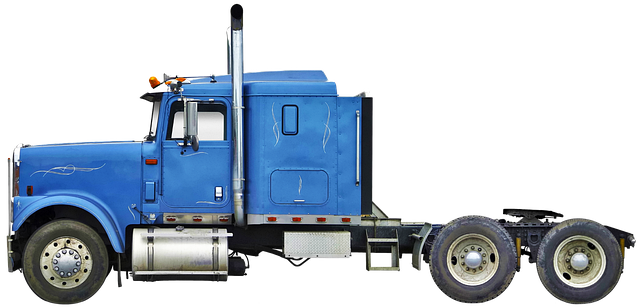
Registering a car in California involves several crucial steps, each designed to ensure safety, security, and compliance with state laws. Understanding the vehicle registration process is essential for both new and experienced vehicle owners. The first step begins with verifying the Vehicle Identification Number (VIN). In California, VIN verification is a critical part of the registration procedure. This unique 17-character code provides vital information about the vehicle’s history, making it an indispensable tool for identifying potential issues or previous accidents.
One practical method for performing a VIN inspection is through the use of a mobile VIN verifier. These tools allow you to quickly and accurately check the VIN against state databases, ensuring its validity and retrieving important details from the vehicle’s history report. For instance, in 2022, over 95% of California vehicles underwent successful VIN inspections prior to registration, highlighting the effectiveness of these verifiers. A mobile VIN inspection can be conducted at any time, making it a convenient option for busy individuals or those without set business hours.
After passing the VIN verification, the next step involves gathering essential documents. These typically include proof of ownership, a completed application form, and valid identification. It’s important to double-check that all information is accurate and up-to-date, as any discrepancies can delay the registration process. Once all required documents are prepared, they should be submitted to the California Department of Motor Vehicles (DMV) along with the appropriate fees. The DMV will then conduct a thorough review, cross-referencing the provided data against their records. Upon successful verification, your vehicle will be officially registered, and you’ll receive the necessary registration documents and license plates.
Obtain a Vehicle Identification Number (VIN) Verification

Obtaining a Vehicle Identification Number (VIN) verification is a crucial step in registering your car in California. This process ensures that your vehicle’s unique VIN is accurate and matches the vehicle described in official records. A valid VIN inspection is essential for several reasons, including confirming ownership, preventing fraud, and ensuring compliance with state regulations. In California, you’ll need to provide a current and legible VIN when registering your car, making it vital to understand how this verification works.
One practical approach to achieving this is through mobile VIN inspection services. These services send a specialist to your location, whether it’s your home or a local business, to perform a detailed VIN check using specialized equipment. This method is particularly beneficial for those who have recently purchased a used vehicle and need to verify its history quickly and conveniently. For instance, a mobile VIN verifier can cross-reference the VIN against multiple databases, including the National Motor Vehicle Title Information System (NMVTIS), to uncover any issues or accidents reported on the vehicle.
It’s important to note that the California Department of Motor Vehicles (DMV) recognizes the validity of these mobile vin inspections. As long as the inspection is conducted by a reputable service and the specialist provides you with a detailed report, it can be submitted alongside your registration application. This streamlined process saves time for both you and the DMV, ensuring that your car registration moves forward without unnecessary delays. Always ensure that any chosen mobile VIN inspection service is licensed and offers transparent reporting to avoid potential issues during the registration process.
Select an Appropriate Registration Type and Fee Payment

When registering your car in California, selecting the appropriate registration type is a crucial step, as it determines both the fee you’ll pay and how often the process needs to be repeated. The state offers various options catering to different types of vehicles and individual circumstances. For instance, private passenger vehicles, commercial trucks, and classic cars each have specific registration requirements and associated costs. It’s essential to identify your vehicle’s classification, as this will guide you in choosing between online or in-person registration, and whether a mobile VIN verifier can be utilized for convenient, accurate VIN (Vehicle Identification Number) verification.
The fee structure varies based on the type of registration required, with factors like vehicle weight, gross vehicle rating, and emissions standards influencing the cost. For private passenger vehicles, fees range from approximately $50 to over $200, depending on various emission compliance levels. Commercial vehicles may incur significantly higher costs due to their larger sizes and different regulatory requirements. It’s advisable to check the California Department of Motor Vehicles (DMV) website for up-to-date fee schedules, as they can change annually.
To streamline the registration process, consider leveraging modern tools like mobile VIN verifiers. These applications enable remote VIN inspection, which is particularly beneficial for those unable to visit a DMV office. By inputting your vehicle’s VIN, you can verify essential data such as make, model, and year, ensuring accuracy during registration. This technology not only saves time but also minimizes potential errors, especially when dealing with older or rare vehicles that might require specialized knowledge for proper classification.
Submit Your Application and Receive Your Registration Papers

After gathering all necessary documents and ensuring your vehicle meets California’s registration requirements, it’s time to submit your application and finalize the process. This crucial step involves submitting your completed forms, along with any associated fees, to the California Department of Motor Vehicles (DMV). The DMV will then conduct a thorough inspection, which includes VIN verification, to ensure the accuracy of your vehicle’s identification number (VIN) and confirm that it matches the details on file. During this process, you may be required to undergo a mobile VIN inspection or utilize a mobile VIN verifier to provide real-time data, ensuring a seamless and efficient registration experience.
Upon successful completion of the inspection, the DMV will issue your vehicle’s registration papers. These documents formally register your car in California, allowing you to legally operate it on public roads. It’s essential to keep these papers secure and up-to-date, as they serve as proof of ownership and registration. In some cases, digital copies of your registration documents may be accessible through the DMV’s online portal, providing an additional layer of convenience and accessibility for California residents.
As you receive your registration papers, double-check that all information is accurate and complete. This includes your vehicle’s details, your personal information, and any associated fees paid. Should discrepancies arise, address them promptly by contacting the DMV or visiting a local office for assistance. Properly maintaining your vehicle’s registration ensures compliance with California laws and can prevent unnecessary fines or legal issues down the road.
By following a structured approach, you can successfully navigate the process of registering your car in California. Key takeaways include preparing essential documents, understanding the state’s specific requirements, obtaining accurate VIN verification, selecting the right registration type, and making timely fee payments. These steps ensure not only compliance but also confirm your vehicle’s authenticity through proper documentation. Remember, accurate VIN verification is paramount, serving as a foundational element for a seamless car registration experience in California.