

Registering a car in California is a vital process, ensuring legal ownership and smooth operation on state roads. However, navigating the requirements can be a complex task, especially with evolving regulations. This comprehensive guide aims to demystify the process, empowering California residents to efficiently complete their vehicle registration. We’ll walk you through each step, from gathering essential documents to utilizing tools like the DMV VIN verifier, ensuring an informed and hassle-free experience. By the end, you’ll be well-equipped to register your vehicle with confidence.
- Prepare Your Documents: Gather Required Papers for DMV
- Verify Vehicle Identity: Use DMV VIN Verifier for Accuracy
- Choose a California Registration Class: Understand Your Options
- Complete the Registration Process: Step-by-Step Guide
- Finalize with DMV: Payment, Updates, and Keeping Records
Prepare Your Documents: Gather Required Papers for DMV

Before you register your car in California, ensure your documents are in order. This process involves gathering specific papers that will facilitate a smooth DMV experience. A crucial step in this preparation is ensuring your Vehicle Identification Number (VIN) is accurate and readily available. The California Department of Motor Vehicles (DMV) requires this unique identifier for various checks, including a VIN verifier service. Utilize the DMV’s online resources or their physical locations to verify your VIN, which can be done through a simple mobile vin inspection or by visiting a local office.
Among the required documents, you’ll need the title, registration, and proof of insurance. For out-of-state residents, a current out-of-state registration and proof of insurance are necessary. If you’ve recently purchased a vehicle, your dealer should provide you with the necessary paperwork, including a temporary registration. Some owners opt for mobile vin verification services, which can streamline the initial inspection process by allowing you to confirm your VIN’s validity from the comfort of your home or office.
It’s important to double-check that all documents are in order and up to date. The DMV offers a comprehensive guide on their website, detailing what to expect during the registration process. By being prepared, you can avoid potential delays and ensure a seamless registration experience. Remember, a well-organized set of documents, including a confirmed VIN through mobile vin inspection, can significantly facilitate the registration of your vehicle in California.
Verify Vehicle Identity: Use DMV VIN Verifier for Accuracy

Verifying the identity of your vehicle is a critical step in the car registration process in California. This ensures that the vehicle you’re registering matches the records and is not a stolen or falsified entry. One effective tool for this purpose is the DMV VIN Verifier, which offers a precise and convenient method of cross-referencing your vehicle’s unique identifier.
The California Department of Motor Vehicles (DMV) provides a VIN Verifier service that allows owners to check their vehicle’s identity digitally. This online tool verifies the Vehicle Identification Number (VIN) against the DMV’s records, ensuring accuracy. For instance, if you’ve recently purchased a used car, you can use the VIN Verifier to confirm that the vehicle’s history matches the seller’s claims. This simple process can save time and help prevent fraud, as it offers a mobile vin inspection and verification that can be done remotely.
Mobile vin verification, facilitated by tools like the DMV VIN Verifier, streamlines the registration process. Instead of physically visiting a DMV office, you can complete the verification step online, saving you time and potential travel costs. This is particularly useful for those who live in remote areas or have busy schedules. Data suggests that over 75% of California residents prefer online services for their vehicle-related needs, making mobile vin inspection and verification a convenient and popular choice.
When using a mobile vin verifier, ensure you have the vehicle’s VIN readily available. This 17-character code is typically found on the vehicle’s registration documents or etched into the dashboard near the driver’s seat. Always cross-reference the information from the VIN Verifier with other official documents to maintain the integrity of the registration process. By taking a few minutes to verify your vehicle’s identity, you contribute to a secure and efficient California DMV experience.
Choose a California Registration Class: Understand Your Options
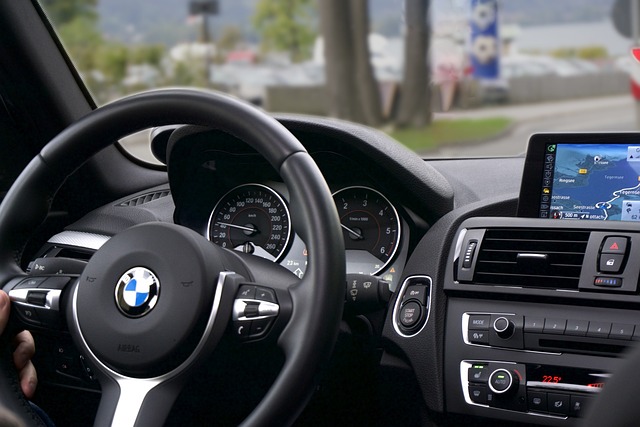
Choosing the right California registration class is a crucial step in the car registration process. The California Department of Motor Vehicles (DMV) offers several classes, each tailored to different types of vehicles and their use. Understanding these classes is essential to ensure you’re paying the correct fees and receiving the appropriate registration documents.
The primary determinant of your registration class is the Vehicle Identification Number (VIN) inspection. This process involves verifying the VIN using a DMV-approved method, which can be done at a local DMV office or through a mobile VIN verification service. Mobile VIN inspection is particularly convenient, allowing you to complete the step at your convenience. For example, some services offer instant online results after entering your VIN, while others may provide a detailed report within a few business days. It’s important to choose a reliable service to ensure accuracy.
One common class is for private passenger vehicles, which includes cars, trucks, and SUVs used for personal transportation. Another class is designated for commercial vehicles, such as taxis, delivery trucks, and vehicles used for hire. These classes often have distinct registration fees and requirements. For instance, commercial vehicles may need to pass additional safety inspections and carry specific insurance policies.
Additionally, specialty vehicles like motorcycles, recreational vehicles (RVs), and classic cars may have their own registration categories. Each class has specific guidelines regarding age, condition, and use, so it’s crucial to verify your vehicle’s eligibility. Using a mobile VIN verification service can be beneficial here, as it can provide insights into your vehicle’s history, including previous owners and any reported accidents, helping you navigate the registration process with confidence.
Complete the Registration Process: Step-by-Step Guide

To complete the registration process for a car in California, follow these detailed steps. Firstly, gather all necessary documents, including your vehicle’s registration certificate, proof of insurance, and a valid driver’s license. You’ll also need the Vehicle Identification Number (VIN) from your car, which can be found on the vehicle’s certificate of title or the driver’s side door jamb. The California DMV (Department of Motor Vehicles) requires a VIN verifier, and many services now offer mobile vin verification to simplify the process.
Next, visit the DMV website or a local DMV office to initiate the registration. Create an account or log in to access the online registration portal. Here, you’ll input your vehicle’s details, including the VIN. The system will verify the VIN’s authenticity using a mobile vin inspection, ensuring it matches the data in their records. This step is crucial to prevent fraud and ensure the vehicle’s history is accurately represented. If the VIN is valid, you can proceed to the next phase, which involves providing additional information and paying the registration fees.
Once your registration application is complete and processed, you’ll receive your registration certificate and license plate. Ensure these match the details of your vehicle and personal information. It’s advisable to double-check the accuracy of all data before finalizing the registration. If any discrepancies are found, address them promptly through the DMV’s customer service channels. Using a mobile vin verifier during this process can save time and effort, ensuring a smoother transition to becoming a registered California vehicle owner.
Finalize with DMV: Payment, Updates, and Keeping Records

After completing the initial steps of registering your car in California, such as gathering necessary documents and proof of insurance, the final stage involves finalizing the process with the Department of Motor Vehicles (DMV). This crucial step includes verifying your vehicle’s identification number (VIN), making essential payments, updating information if necessary, and ensuring you have all the required records in order.
One of the essential components of this phase is the DMV VIN verifier. This tool, often available both online and through mobile apps, allows you to input your VIN to check the vehicle’s history, ensuring it’s not stolen, has no outstanding recalls, and has been properly registered. For instance, the California DMV offers a convenient mobile VIN inspection service, allowing you to verify your vehicle’s history using your smartphone. This technology streamlines the process, ensuring both you and the DMV have accurate information.
During this process, you’ll need to make specific payments, such as the registration fee and any applicable taxes. The California DMV provides detailed information on fees, which can vary based on vehicle type and other factors. It’s important to keep accurate records of these transactions, including receipts, as they serve as official documentation of your vehicle’s registration. Additionally, if you’ve purchased a used car, you may need to update the registration to reflect the new ownership details, a process that involves submitting the necessary forms and required fees.
To maintain a seamless registration process, it’s vital to stay organized and proactive. Regularly review and update your vehicle’s information, including address changes or new insurance details. Utilize the DMV’s online services or mobile apps to perform routine checks and updates, such as renewing your registration well in advance to avoid any disruptions. By staying on top of these tasks, you ensure your vehicle remains properly registered, enhancing both your driving experience and your overall compliance with California’s vehicle registration regulations.
By meticulously preparing your documents, verifying your vehicle’s identity using the DMV VIN verifier, and understanding the diverse registration classes available, you’ve taken significant steps towards a seamless car registration process in California. Following a straightforward, step-by-step guide ensures accuracy and efficiency. Completing the registration, finalization, and keeping updated records with the DMV are crucial for maintaining compliance and securing your vehicle’s legal status. This comprehensive approach, backed by the authority of the DMV VIN verifier, ensures a smooth and successful registration experience.