

Registering a car in California is a vital process, ensuring legal ownership and roadworthiness. However, navigating the procedures can be daunting for new vehicle owners. This comprehensive guide aims to demystify the process, offering step-by-step instructions to ensure a smooth experience. We’ll cover everything from gathering essential documents to understanding fees, with a key focus on the critical role of Vehicle Identification Number (VIN) verification in ensuring the authenticity and history of your vehicle. By the end, you’ll be well-equipped to confidently register your new or used car in the Golden State.
- Prepare Your Vehicle Documentation
- Obtain Necessary Forms for Registration
- Perform VIN Verification: A Crucial Step
- Gather Required Identification Documents
- Submit Application and Complete Registration
Prepare Your Vehicle Documentation

Before you register your car in California, ensure your vehicle documentation is in order, a crucial step that forms the foundation of the registration process. Gather all necessary papers, including your vehicle’s title, proof of insurance, and registration application. The key document here is the Vehicle Identification Number (VIN) verification, which establishes the vehicle’s identity and ownership history. This process, often facilitated through mobile VIN inspection services, plays a vital role in California’s vehicle registration system.
For instance, when registering a car purchased privately, you’ll need to obtain a clean VIN report to prove that there are no outstanding issues or liens on the vehicle. A simple mobile VIN verification can deliver this information swiftly, ensuring your application progresses smoothly. Moreover, many online services offer real-time data checks, providing immediate feedback on the vehicle’s history, including accident reports, odometer readings, and title records.
Accurate VIN documentation is not just about meeting legal requirements; it also safeguards your investment. In California, where a vast array of vehicles navigate diverse road conditions, knowing your car’s precise history empowers you to make informed decisions regarding maintenance and repairs. Regularly updating your vehicle’s information through mobile VIN inspections ensures that both you and the state have access to the most current data, fostering a transparent and efficient registration process.
Obtain Necessary Forms for Registration

Registering a car in California involves several crucial steps, and obtaining the necessary forms is a critical initial stage. You’ll need to gather specific documents and complete relevant forms to ensure a smooth registration process. One essential component of this process is Vehicle Identification Number (VIN) verification, which plays a vital role in establishing the vehicle’s history and authenticity.
To facilitate this, consider utilizing a mobile VIN verifier, an innovative tool that allows for convenient and accurate VIN inspection. This technology enables you to verify critical information associated with your vehicle’s VIN, such as its make, model, year, and potential historical data, including accident reports or outstanding loans. By employing a mobile VIN verification service, you can streamline the initial steps of registration and gain peace of mind regarding your car’s history.
For instance, in California, where vehicle registration is managed by the Department of Motor Vehicles (DMV), utilizing a mobile VIN verifier can help ensure compliance with their requirements. The DMV may request proof of VIN verification during the registration process, so having this documentation ready demonstrates diligence and attention to detail. It’s advisable to check with your local DMV office for specific forms required, as they may vary depending on your vehicle’s age and type.
Additionally, keep in mind that a valid and accurate VIN inspection report can expedite the registration process and potentially save you time and effort. When obtaining forms, ensure all information is up-to-date and matches your vehicle’s specifications precisely. This attention to detail will contribute to a successful registration and a seamless ownership experience.
Perform VIN Verification: A Crucial Step

Registering a car in California involves several crucial steps, and one of the most important is performing a Vehicle Identification Number (VIN) verification. This process ensures that your vehicle’s unique identifier—the VIN—is accurate and matches the manufacturer’s records. In California, where vehicle registration is handled by the Department of Motor Vehicles (DMV), a correct VIN is vital for issuing a valid registration.
The VIN is a 17-character code that serves as a car’s fingerprint, providing essential information about its make, model, year, and production specifications. A mobile VIN verification—whether done through an app or a professional inspector—is recommended to ensure accuracy. This process involves scanning the VIN plate located on the vehicle, which can be found on the driver’s side door frame or the engine bay. The digital verification compares this data against manufacturer records to confirm its authenticity. For instance, if you’re purchasing a used car, a mobile VIN inspection can help uncover potential issues or discrepancies before completing the registration process.
While the DMV offers various services for vehicle registration, it’s crucial to remember that errors in the VIN can lead to delays and complications. Therefore, taking the time to conduct a thorough VIN verification—either through a trusted app or by hiring a professional inspector for a mobile vin inspection—is a smart step. This simple process not only ensures your car’s registration goes smoothly but also provides peace of mind, knowing that every detail has been checked and verified.
Gather Required Identification Documents

Registering a car in California involves several steps, and one of the critical initial stages is ensuring you have all the necessary identification documents. This process can be streamlined with the use of modern technology, such as mobile VIN verification services that offer convenience and accuracy. A Vehicle Identification Number (VIN) is a unique code that identifies your vehicle, and its verification is a crucial part of the registration process. In California, this often means engaging in what’s known as a mobile VIN inspection or using a mobile VIN verifier to confirm the vehicle’s authenticity and history.
To begin, gather essential documents like your driver’s license or state-issued ID card, proof of residency (e.g., utility bill), and the vehicle’s title. Additionally, you’ll need to provide the VIN from your car’s registration plate or dashboard. Here, a mobile VIN verification service can be immensely helpful as it allows for a quick and remote check of the VIN against national databases, ensuring its validity and checking for any reported accidents or outstanding issues. This digital approach is not only efficient but also reduces potential errors that could delay the registration process.
For instance, some mobile VIN verifier apps provide real-time feedback, enabling users to address documentation issues promptly. This modern twist on traditional verification methods has been embraced by many Californians who appreciate the convenience and speed it offers. By leveraging these technological advancements, individuals can ensure a smoother car registration experience while maintaining the highest level of accuracy in their vehicle’s identification.
Submit Application and Complete Registration
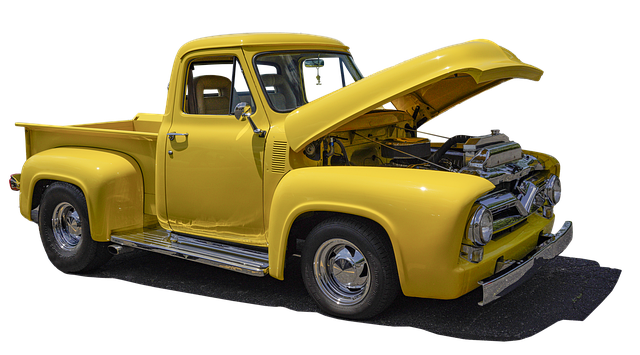
To complete the registration process for your vehicle in California, you’ll need to submit the necessary applications and undergo a critical step involving Vehicle Identification Number (VIN) verification. This process ensures the authenticity of your car’s details, a crucial aspect of the registration procedure. Begin by gathering all required documents, including proof of ownership, valid identification, and any emissions test results if applicable. Fill out the Application for Title and Registration, ensuring accuracy in all details, especially the VIN number. It’s advisable to double-check this information using a mobile VIN verifier to confirm its legitimacy before proceeding.
The California Department of Motor Vehicles (DMV) offers several convenient methods for submission, including online portals and in-person visits. If opting for an online approach, you’ll need to create an account on the DMV’s website, access the appropriate forms, and follow the digital instructions. For a more direct method, submit your application at a local DMV field office, where staff can conduct a thorough VIN inspection to verify the vehicle’s history. This step is essential to prevent fraud and ensure compliance with state regulations.
Once your application is approved, the DMV will process the registration, generating a new title and license plate for your vehicle. They may contact you regarding any additional requirements or issues found during VIN verification 1-3 times throughout the process. Always respond promptly to these communications to expedite the registration of your car, ensuring a smooth and legal ownership experience in California.
Registering a car in California involves several key steps, each crucial for ensuring a seamless process and legal compliance. From preparing vehicle documentation to gathering identification documents, understanding and completing the VIN verification is paramount—it’s a vital step that ensures the accuracy of your vehicle’s information. By following these structured procedures, you not only facilitate a smooth registration but also protect yourself and your investment. Practical next steps include double-checking all forms for completeness and accuracy, ensuring all required fees are paid, and keeping digital or physical copies of every document for future reference. This authoritative guide has provided clear insights, enabling readers to confidently navigate California’s car registration process with ease and confidence.