

Registering a car in California is not just a legal requirement; it’s a crucial step to ensure your vehicle’s safety and your protection as a driver. However, the process can be complex, especially with varying regulations and documentation needs. This comprehensive guide aims to demystify the procedure, offering expert insights on every step, from gathering essential documents to performing a Vehicle Identification Number (VIN) verification. We’ll walk you through each phase, ensuring you have a clear understanding of how to register your car smoothly and accurately in California.
- Prepare Required Documents for Car Registration
- Locate Your Vehicle's VIN (Vehicle Identification Number)
- Choose a California Department of Motor Vehicles (DMV) Office
- Submit Application and Pass Inspection (including VIN verification)
- Finalize Registration and Obtain License Plate
Prepare Required Documents for Car Registration

Before you can register your car in California, ensuring you have all the required documents is paramount. This process involves gathering crucial paperwork that verifies your vehicle’s authenticity and compliance with state regulations. A key step in this preparation is accurate vin verification. The Vehicle Identification Number (VIN) serves as a unique fingerprint for your car, and its confirmation is essential during registration. Consider using a mobile vin verifier or mobile vin inspection service to streamline this process. These applications enable you to swiftly capture and transmit your vehicle’s VIN data, ensuring accuracy and saving time.
For instance, when purchasing a used car, the seller typically provides a Vehicle History Report, which includes the VIN and its associated data. This report can be easily cross-referenced with trusted online databases to confirm the vehicle’s history and ensure it hasn’t been reported as stolen or had significant damage. The California Department of Motor Vehicles (DMV) also offers an online tool for vin verification that allows you to check a vehicle’s status before registration. Utilizing these modern tools, you can proactively navigate the registration process with confidence.
In addition to VIN documentation, other essential papers include proof of insurance, a bill of sale or purchase agreement, and a valid driver’s license. It’s crucial to keep these documents organized and readily available. For instance, if your car is financed, your lender may require specific documentation, such as a loan application or proof of insurance with their name listed as an additional insured. A well-prepared folder containing all required documents will significantly expedite the registration process at your local California DMV office or designated registration center.
Locate Your Vehicle's VIN (Vehicle Identification Number)

Locating your vehicle’s Vehicle Identification Number (VIN) is a crucial step in the car registration process in California. The VIN is a unique 17-character code that serves as the identifier for your vehicle and is essential for accurate record-keeping during registration. It’s important to ensure the VIN verification is correct, as any errors or discrepancies can lead to delays or issues with the California Department of Motor Vehicles (DMV). One effective way to verify your VIN is through a mobile vin inspection or mobile vin verifier, which offers convenience and accuracy in one go.
Mobile vin verifiers provide a straightforward method for VIN verification by utilizing advanced technology to cross-reference the provided VIN against reliable databases. For instance, these tools can check if there are any outstanding recalls, previous accidents, or reported thefts associated with the vehicle, ensuring that your car is safe and roadworthy before registration. In California, where vehicle regulations are stringent, having accurate and up-to-date information is vital to ensure a smooth registration process.
When conducting a VIN verification using a mobile service, ensure you have access to the vehicle’s registration documents and its current state of repair. This step is particularly important for older vehicles or those that have undergone significant modifications, as discrepancies in records may trigger additional scrutiny from DMV officials. By employing a mobile vin inspection service, you can save time, avoid potential mistakes, and streamline the car registration process in California.
Choose a California Department of Motor Vehicles (DMV) Office

Choosing the right California Department of Motor Vehicles (DMV) office is a crucial step in the car registration process. With numerous locations across the state, each offering specialized services, selecting the appropriate DMV can streamline your registration experience. Consider the type of service you require; some offices excel in handling complex transactions, such as transferring titles or registering vehicles with unique characteristics, while others are better equipped to process standard registration renewals.
For instance, if you’re involved in a vehicle transaction that requires a thorough inspection, opt for a DMV with experienced staff in mobile VIN inspection and verification. These services ensure the accuracy of your vehicle’s identification number (VIN) and can be particularly useful when dealing with older or imported vehicles, which might necessitate extra scrutiny. Many DMV offices now offer mobile services to enhance convenience, allowing you to complete transactions without the hassle of visiting a physical location.
Moreover, if you’re short on time or have a busy schedule, consider scheduling a mobile VIN verification service. This option eliminates the need to travel to a DMV and can be particularly beneficial for those who require quick, accurate VIN checks. With the right DMV selection, you can ensure a smoother, more efficient car registration process, leaving you with a positive experience and a properly registered vehicle.
Submit Application and Pass Inspection (including VIN verification)
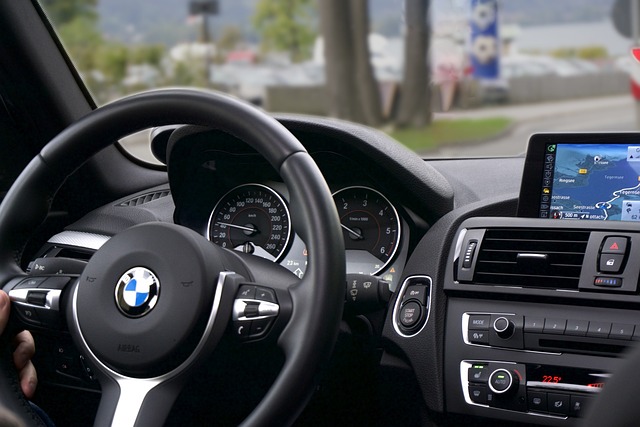
Registering a car in California involves several steps, and one crucial phase is submitting your application and passing the required inspections. This process ensures that vehicles on California roads meet safety standards and helps deter fraud. The key element here is Vehicle Identification Number (VIN) verification, which plays a vital role in establishing the vehicle’s authenticity.
When preparing to submit your application, ensure your VIN is accurate and readily available. Many resources online can help you locate this unique identifier, including official DMV tools that verify its validity. Some California residents opt for convenient services like mobile VIN inspection or mobile VIN verification, allowing them to complete this step from the comfort of their homes or offices. This modern approach streamlines the process, saving time and effort. During the inspection, a professional will cross-reference your vehicle’s details against the manufacturer’s records, confirming its identity and history.
It’s essential to pass this inspection to avoid delays in registration. In some cases, minor discrepancies may be resolved easily, but significant issues could require further investigation. To ensure a smooth process, keep accurate records of your vehicle’s history, including maintenance logs and any previous inspections. This proactive approach will help expedite the registration, allowing you to enjoy your newly registered California vehicle without unnecessary hurdles.
Finalize Registration and Obtain License Plate

After completing the initial registration process, including gathering necessary documents and fees, the next step is to finalize your vehicle’s registration and obtain license plates. This crucial phase involves verifying your Vehicle Identification Number (VIN) as part of a comprehensive inspection to ensure the vehicle’s history aligns with the information provided. In California, this process can be efficiently managed through either traditional VIN inspection centers or innovative mobile vin verification services.
For a straightforward approach, many Californians opt for a local Department of Motor Vehicles (DMV) branch where trained staff conduct VIN inspections. This method involves manually checking and confirming the VIN details against national databases to validate ownership, accident history, outstanding liens, and other vital information. However, it’s important to be prepared with your vehicle documentation and proof of insurance during this visit.
An emerging trend in the state is the adoption of mobile vin verification services, offering a convenient alternative for busy individuals or those who prefer a more efficient process. These services bring the inspection directly to you, whether at home, work, or even on the side of the road. Utilizing advanced technology and real-time data access, these mobile verifiers conduct remote VIN checks, providing instant results and peace of mind. This modern approach streamlines the registration process, saving time and effort for both the owner and DMV personnel.
By meticulously preparing required documents, locating your vehicle’s VIN (Vehicle Identification Number), and strategically choosing a California DMV office, you lay the groundwork for a seamless car registration process. Submitting a complete application alongside passing inspection, including VIN verification, ensures compliance with state regulations. Finalizing your registration and acquiring a license plate marks the successful culmination of these steps, empowering you to legally operate your vehicle in California with confidence, backed by the authority of this comprehensive guide.