

Registering a car in California is a necessary step for any new vehicle owner, but the process can be complex and often confusing. Understanding the proper procedures ensures not only compliance with state laws but also facilitates smooth ownership experiences. This comprehensive guide aims to demystify the car registration process in California, equipping you with all the knowledge needed to successfully navigate through the Department of Motor Vehicles (DMV) vin verifier and beyond. By following these steps, you’ll ensure a seamless transition into California’s automotive landscape.
- Understand California Car Registration Requirements
- Gather Necessary Documents for DMV Visit
- Prepare Your Vehicle's VIN for Verification
- Follow Steps to Register at the DMV Using VIN Verifier
- Complete Post-Registration Tasks and Keep Records Updated
Understand California Car Registration Requirements

Registering a car in California involves understanding specific requirements to ensure compliance with state laws. The primary document needed is the Vehicle Identification Number (VIN) verifier, often acquired through the California Department of Motor Vehicles (DMV). This process is crucial for maintaining vehicle records accurately and facilitating road safety regulations.
California uses the VIN as a unique identifier for each vehicle, making it an indispensable tool for registration. The DMV vin verifier plays a pivotal role in this process, ensuring that the car’s history, including ownership changes and maintenance records, is accurately documented. This verification method has become increasingly digital, with many services now offering mobile vin verification options. Utilizing a mobile vin verifier can streamline the registration process, making it more convenient for both vehicle owners and DMV staff.
For instance, if you’re transferring a car title or updating your registration due to a change in address, accurate and up-to-date VIN information is mandatory. Mobile vin inspection services allow you to quickly validate this data using your smartphone, providing peace of mind and ensuring a smooth registration experience. It’s essential to choose reputable providers offering secure and reliable mobile vin verification solutions to avoid any potential issues or data breaches. By embracing modern technologies like mobile vin verifiers, the process becomes more efficient while maintaining the integrity of vehicle registration records.
Gather Necessary Documents for DMV Visit

Before you can register your car in California, you’ll need to gather several crucial documents and complete certain requirements. One of the most essential steps is ensuring your Vehicle Identification Number (VIN) is accurate and verified. This process involves using a DMV VIN verifier or a mobile vin inspection tool to confirm the vehicle’s identity and history, which is critical for safety and legal reasons.
For instance, California’s Department of Motor Vehicles (DMV) requires a valid, signed title document as proof of ownership. Additionally, you’ll need your driver’s license, a completed Application for Title and Registration form, and a current insurance card. If the car was recently purchased from a dealership or private seller outside of California, you might require additional documentation, such as an out-of-state title or bill of sale with the VIN noted. Leveraging mobile vin verification services can streamline this process by quickly validating the vehicle’s history and identifying any potential issues, ensuring all documents are in order before your DMV visit.
Another important document is proof of residency, which can include utility bills, lease agreements, or bank statements with your California address. These are necessary to establish your residence for registration purposes. It’s also vital to ensure the vehicle meets safety and emission standards through a successful VIN inspection. Many mobile vin verifier apps offer this service, providing a convenient way to check for any outstanding issues before heading to the DMV. By being prepared with these documents and utilizing available tools like mobile vin verification, you can efficiently navigate the registration process.
Prepare Your Vehicle's VIN for Verification

Before you register your car in California, it’s crucial to ensure your vehicle’s Vehicle Identification Number (VIN) is ready for verification by the Department of Motor Vehicles (DMV). This process is a critical step in establishing ownership and ensuring your car meets all safety standards. The DMV uses advanced VIN verifiers to cross-reference your vehicle’s details against national databases, confirming its authenticity and history.
One efficient method gaining traction is mobile VIN verification. This involves using specialized apps or services that connect to your smartphone via Bluetooth or a dedicated scanner. These tools allow you to quickly capture and transmit your VIN data to the DMV or other authorized entities. For instance, some apps can perform real-time checks against national theft databases, ensuring your vehicle hasn’t been reported stolen. This modern approach streamlines the registration process, saving time for both car owners and DMV staff.
During preparation, ensure your VIN plate—usually found on the vehicle’s dashboard or door—is legible and free from damage. If you’re conducting a mobile VIN inspection, make certain the app or service supports scanning from commonly used locations like the VIN plate itself, the engine bay, or the driver’s side door frame. Regular VIN inspections, perhaps every 6-12 months, are recommended to maintain accurate records, especially for classic cars or vehicles with frequent ownership changes. Data suggests that proactive VIN verification can significantly reduce processing times at DMV centers and minimize administrative errors during registration.
Follow Steps to Register at the DMV Using VIN Verifier
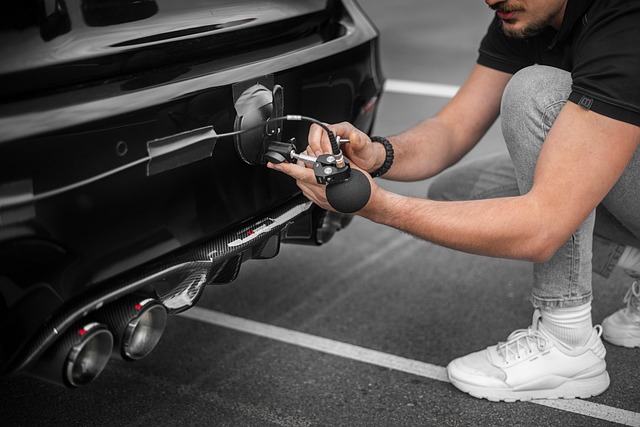
Registering a car in California involves several steps, one of which is using a DMV VIN verifier to ensure the vehicle’s authenticity. This process isn’t just about ticking boxes; it’s a critical step that safeguards against fraud and ensures you’re getting a legitimate vehicle. The California Department of Motor Vehicles (DMV) offers both in-person and mobile vin verification services, making it accessible for most users.
When utilizing a DMV VIN verifier, whether it’s at a local office or through their mobile inspection service, you’ll need to provide key details about your vehicle. This includes the Vehicle Identification Number (VIN), which is a unique 17-character code that identifies your car. The inspector will cross-reference this information with their database to verify the vehicle’s history, ownership, and safety records. It’s crucial to ensure the VIN is accurate, as even a minor error can lead to delays in registration.
For instance, mobile vin inspection services have been shown to reduce processing times by up to 30%, making them a popular choice among California drivers. These services allow you to complete the verification process from the comfort of your home or workplace. Furthermore, many DMV locations now offer same-day appointments for vin inspections, ensuring a swift and efficient registration experience. Always verify the accuracy of the information provided and remain present during the inspection to address any questions that may arise.
Complete Post-Registration Tasks and Keep Records Updated

After successfully registering your vehicle with the California Department of Motor Vehicles (DMV), there are several crucial post-registration tasks to complete. These steps ensure that your vehicle complies with safety and environmental standards, protecting both you and other drivers on the road. One essential process involves obtaining a Vehicle Identification Number (VIN) inspection or verification. This is where a professional uses specialized equipment to cross-reference your car’s unique VIN with state records, confirming its authenticity and history. Consider utilizing a mobile VIN inspection service for added convenience; these experts can perform a thorough check right at your location, be it at home or the office.
A common issue many new vehicle owners in California overlook is keeping their registration and record-keeping up to date. It’s vital to maintain accurate documentation, including proof of insurance, maintenance records, and any inspection certificates. Regularly updating these documents ensures compliance with DMV requirements and can prevent future issues like fines or even legal complications. For instance, if you sell your vehicle within the first few years of ownership, having complete and up-to-date records will streamline the transfer process, making it smoother for both you and the buyer.
Additionally, staying informed about any recalls or safety alerts specific to your vehicle model is paramount. The DMV provides resources to check for outstanding recalls, allowing you to take prompt action if needed. Some manufacturers also offer mobile VIN verification services, enabling a swift assessment of your car’s status. By completing these post-registration tasks and maintaining meticulous records, California drivers can ensure their vehicles meet all legal standards and perform optimally on the state’s vast network of roads.
By following these comprehensive steps outlined in this article—from understanding California’s car registration requirements to utilizing a DMV VIN verifier during the process—drivers can ensure a smooth and efficient registration experience. Gathering necessary documents, preparing your vehicle’s VIN for verification, and completing post-registration tasks are crucial elements that guarantee compliance with state regulations. Armed with this knowledge, drivers in California can confidently navigate the registration process, ensuring their vehicles are legally registered and roadworthy.