

Registering a car in California is a crucial step for any new owner, ensuring legal compliance and access to public roads. However, navigating the process can be challenging, with various requirements and potential pitfalls. From gathering necessary documents to understanding fees, many drivers find themselves asking, “How do I register my car?” This comprehensive guide aims to demystify the registration process, focusing on a key step: DMV VIN verification. By providing clear instructions and expert insights, we empower California residents to successfully complete their vehicle registration, ensuring both legal adherence and peace of mind.
- Gather Necessary Documents for DMV Vin Verification
- Prepare Your Vehicle for Registration Inspection
- Complete Online Registration or In-Person Visit
- Submit Proof of Insurance and Pay Registration Fees
- Receive Your California Vehicle Registration and License Plate
Gather Necessary Documents for DMV Vin Verification

To register your car in California, you’ll need to gather several crucial documents for the DMV vin verification process. This step is essential to ensure your vehicle’s history is accurately recorded and complies with state regulations. One critical aspect that often requires attention is obtaining a valid mobile vin verification. A mobile vin verifier, or mobile vin inspection tool, can simplify this task by allowing you to complete the process remotely.
For instance, many modern vehicles come equipped with an electronic vehicle information system (EVIS) that includes detailed data about the car’s history and specifications. You’ll need access to this information, which can often be obtained through a mobile app provided by your vehicle manufacturer or a third-party service. Additionally, you should gather traditional documents like the title certificate, registration papers, proof of insurance, and a valid driver’s license.
During the DMV vin verification, the California Department of Motor Vehicles (DMV) cross-references your vehicle’s unique vehicle identification number (VIN) with their databases to validate its authenticity and history. This includes checking for any outstanding recalls, prior accidents, or title issues that could affect registration. With the rise in remote work and digital solutions, mobile vin verification has become increasingly popular. These services offer a convenient way to ensure your car’s documentation is in order before visiting the DMV.
Prepare Your Vehicle for Registration Inspection
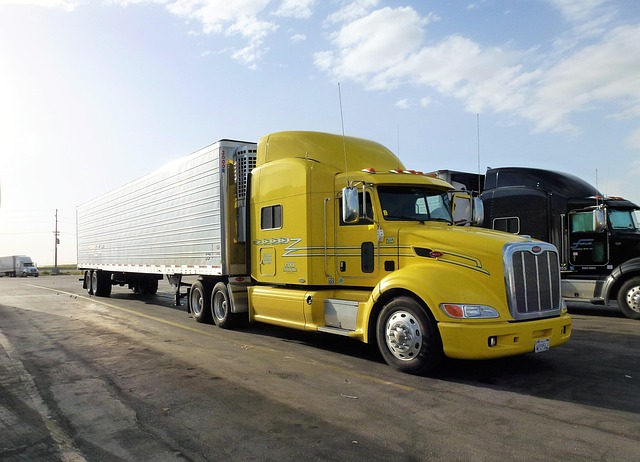
Before you can register your car in California, your vehicle must pass a rigorous inspection process to ensure it meets safety and emission standards. A crucial step in this process is preparing your car for the DMV VIN verification, which checks critical components using your Vehicle Identification Number (VIN). This involves ensuring your car’s key systems are functional and accurate documentation is available.
One efficient way to streamline this preparation is by utilizing a mobile VIN verifier or conducting a mobile VIN inspection. These services allow you to verify essential vehicle information remotely, including engine specifications, ownership history, and whether the car has been in any accidents, which can affect its safety and value. For instance, a 2015 study by the California DMV revealed that approximately 12% of vehicles with outstanding defects were involved in previous accidents, underscoring the importance of accurate VIN inspections.
To get your car ready for inspection, start by reviewing the vehicle’s maintenance records to ensure all routine services are up-to-date. Check critical components like brakes, lights, tires, and emissions controls. Additionally, gather necessary documentation, including proof of insurance, registration from a previous state (if applicable), and any emission test results. By proactively preparing your car for the DMV VIN verification, you’ll not only facilitate a smoother registration process but also ensure your vehicle is safe and compliant with California’s regulations.
Complete Online Registration or In-Person Visit

In California, registering your car involves a series of steps designed to ensure vehicle safety and compliance with state regulations. One of these crucial stages is completing the registration process either online or in person at a DMV office. This approach allows for greater flexibility, catering to modern lifestyles where convenience is paramount.
For those opting for an online registration, a significant advantage is the ability to utilize a mobile vin verifier. This technology enables drivers to have their vehicle’s VIN (Vehicle Identification Number) verified remotely, often through a simple mobile app. The process involves scanning the VIN using your smartphone and transmitting this data to the DMV for validation, ensuring the accuracy of your car’s details before final registration. Moreover, many online platforms offer real-time updates on document status, allowing you to track progress from the comfort of your home or office.
In-person visits to a local DMV still hold value, especially when dealing with complex cases or when requiring immediate assistance. Here, staff can conduct manual mobile vin verification to cross-check the vehicle’s history and ensure all documents are in order. This hands-on approach is beneficial for those who prefer face-to-face interaction or have unique circumstances that necessitate a more tailored service. Examples include legacy vehicles with limited digital records or situations where proof of ownership requires immediate verification, ensuring a seamless transition to California’s robust vehicle registration system.
Submit Proof of Insurance and Pay Registration Fees

Submitting Proof of Insurance is a crucial step in registering your car with the California Department of Motor Vehicles (DMV). This process involves providing evidence that you have obtained auto insurance coverage as required by state law. When you visit a DMV office or use the online registration system, you’ll need to supply details of your insurance policy, including the insurer’s name and your policy number. Many insurers offer convenient mobile vin verifier services that allow you to quickly access and share your policy information, ensuring a smooth process.
The next essential step is paying the registration fees. These fees vary based on several factors, such as the type of vehicle and whether you’re renewing or registering a new car. You can pay these fees online, by mail, or in person at a DMV office. It’s advisable to check the current fee schedule on the official DMV website to ensure accuracy and avoid any delays in processing. A mobile vin inspection app can help verify your vehicle identification number (VIN) and provide real-time access to registration requirements and associated costs, making it an invaluable tool for drivers in California.
By completing these steps efficiently, you’ll be well on your way to registering your car with the DMV. Remember that accuracy and timeliness are key to a successful registration process. If you have any doubts or encounter complexities during the submission of proof of insurance or payment of fees, consider seeking assistance from a DMV representative or consulting additional resources provided by the California DMV website for more detailed guidance.
Receive Your California Vehicle Registration and License Plate

After successfully applying for your California vehicle registration through the DMV, the next step involves receiving your official documents and license plates. This crucial phase ensures your car is legally registered and ready to hit the roads. The process typically begins with a thorough verification of your vehicle’s identity, known as DMV VIN verification. In California, this is a mandatory step to ensure compliance and safety standards. A common and efficient method for completing this requirement is through the use of a mobile VIN verifier or mobile VIN inspection service. These services offer convenience by allowing you to conduct the necessary checks from virtually anywhere, eliminating the need for lengthy visits to DMV offices.
To initiate the process, obtain your Vehicle Identification Number (VIN) from your car’s registration documents or check the vehicle itself. Then, utilize a reputable mobile VIN verification tool to cross-reference this number with state databases. This technology ensures accuracy and speed in confirming your vehicle’s details, including its make, model, year, and any associated history reports. Once your VIN is successfully verified, you can proceed with confidence, knowing your car meets all legal requirements.
Upon completion of the DMV VIN verification, you’ll be eligible to receive your California Vehicle Registration Certificate and corresponding license plates. These documents are essential for daily driving and proof of vehicle ownership. In some cases, you may even opt for custom license plates, adding a personal touch while adhering to official guidelines. Always ensure that all paperwork is in order before operating your vehicle on public roads, as it’s not only legally mandatory but also ensures a smooth driving experience.
Registering a car in California involves several key steps, as outlined in this comprehensive guide. First, gather all necessary documents for the DMV’s VIN verification process, ensuring your vehicle meets inspection standards. Second, complete the registration either online or in-person. Third, submit proof of insurance and pay associated fees. Finally, receive your California vehicle registration and license plate. By following these straightforward steps, you’ll efficiently navigate the registration process, leveraging the authority of this guide to ensure a smooth experience.