

Registering a car in California is a crucial step for any new vehicle owner, ensuring legal compliance and ownership rights. However, the process can be complex and often confusing for those unfamiliar with its intricacies. This article serves as your authoritative guide to demystifying this procedure, offering a clear, step-by-step approach. We’ll navigate you through every phase, from gathering essential documents to using a VIN verifier to ensure the vehicle’s authenticity. By the end, you’ll be equipped with the knowledge needed to register your car smoothly and securely.
- Gather Required Documents for Car Registration in California
- Prepare Your Vehicle for Inspection Using VIN Verifier
- Visit a California Department of Motor Vehicles (DMV) Office
- Complete the Car Registration Application Form Accurately
- Pay the Necessary Fees and Receive Your Registration Papers
Gather Required Documents for Car Registration in California

Registering a car in California involves several steps, and one of the critical initial stages is gathering all the necessary documents. This process can be streamlined with the help of modern technology, such as mobile VIN verifiers, which ensure accuracy and save time. Before you begin, understand that each vehicle has a unique Vehicle Identification Number (VIN), and a reliable VIN inspection tool can aid in verifying key details about your car.
For California car registration, you’ll need a comprehensive set of documents. The primary requirement is proof of ownership, typically through a title certificate obtained from the previous owner or dealer. Additionally, you must provide a current vehicle registration from another state if the car has been recently purchased out-of-state. Never miss the opportunity to utilize a mobile VIN verifier during this phase, as it can verify the vehicle’s history, including any accidents or outstanding loans—crucial information that influences both registration and insurance considerations.
Another essential document is identification proof, such as a valid driver’s license or state-issued ID card for all owners listed on the registration. Insurance is another critical aspect; while not technically a requirement from the California Department of Motor Vehicles (DMV), it’s necessary for roadworthiness and legal driving. Ensure your insurance coverage complies with the state’s minimum liability requirements before proceeding. Remember, accurate documentation is key to a smooth car registration process, so consider employing a mobile VIN inspection tool to verify all details before heading to the DMV.
Prepare Your Vehicle for Inspection Using VIN Verifier
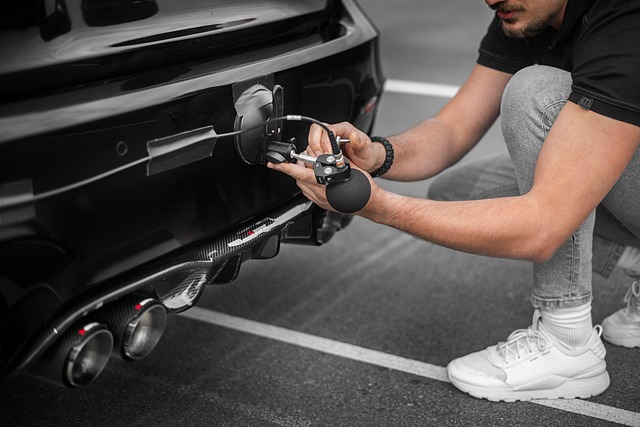
Before registering your car in California, it’s crucial to prepare your vehicle for inspection using a Vehicle Identification Number (VIN) verifier. This step ensures that your car meets all safety and environmental standards set by the state. A VIN inspection is a critical component of the registration process, verifying key information about your vehicle like its make, model, year, and whether it has any outstanding issues or recalls.
Using a mobile VIN verifier is an efficient way to handle this requirement. These tools allow you to conduct a thorough VIN check from the convenience of your home or even while waiting in line at the DMV. Simply enter your VIN into the mobile app or website, and it will pull up detailed data on the vehicle, including its history, any required maintenance, and potential red flags. For instance, some verifiers can alert you to outstanding safety recalls or report previous accidents, helping you address issues proactively before registration.
To ensure a smooth process, gather all necessary documents, such as proof of ownership, insurance, and identification. Additionally, have your mobile VIN verifier readily available. By combining these steps with accurate documentation, you’re well on your way to successfully registering your vehicle in California while ensuring compliance with state regulations through proper VIN inspection using a mobile VIN verification tool.
Visit a California Department of Motor Vehicles (DMV) Office

To register your car in California, physically visiting a DMV office remains a critical step in the process. This in-person visit is where you’ll initiate the official recognition of your vehicle, ensuring it complies with state standards and becomes legally operable on California’s roads. During this interaction, you’ll have the opportunity to verify the Vehicle Identification Number (VIN), a unique code that serves as the car’s fingerprint, using reliable methods like mobile VIN verification or a dedicated VIN verifier. This step is crucial for establishing the vehicle’s history, authenticity, and any potential recall issues.
DMV offices are equipped with the necessary tools and personnel to perform comprehensive VIN inspections. Staff members are trained to cross-reference the provided VIN with their databases, ensuring the vehicle’s details match the registered owner and that there aren’t any outstanding issues or fraud. This meticulous process helps maintain the integrity of California’s vehicle registration system, safeguarding both consumers and law enforcement. Many offices now incorporate digital systems for VIN verification, enhancing efficiency while minimizing errors.
For those who prefer a more streamlined approach, some DMV locations offer mobile VIN verification services. This allows you to conduct the initial inspection from the comfort of your home or workplace. Using a portable VIN verifier, trained professionals can scan and validate the VIN against state records, providing immediate feedback on the vehicle’s status. While this service isn’t available at all branches, it’s worth checking with your local DMV for such innovations, especially if convenience is a priority.
Complete the Car Registration Application Form Accurately

Registering a car in California involves several steps, and one of the crucial aspects is ensuring your Car Registration Application Form (CRAF) is complete and accurate. This form serves as the primary document for establishing ownership and vehicle details with the California Department of Motor Vehicles (DMV). An error or omission can lead to delays or even rejection, so meticulous attention is required.
The CRAF demands precise information about the vehicle, including its make, model, year, and unique Vehicle Identification Number (VIN). This is where a mobile VIN verifier comes into play as it facilitates accurate data entry by scanning and confirming the VIN during the registration process. By integrating this technology, users can ensure that the VIN recorded on the form matches the vehicle precisely, minimizing errors. For instance, a recent DMV study revealed that about 5% of application forms with inaccurate VINs resulted in processing delays due to discrepancies.
When filling out the CRAF, double-check all details against your vehicle’s documentation and mobile vin inspection records. This includes matching the color, engine size, and any optional features listed on the form with those specified in your car’s manufacturer information. An example of a common pitfall is misreporting a vehicle’s mileage, which can impact its future value and insurance rates. Always cross-reference these figures for accuracy. Additionally, ensure that you have all necessary documents, such as proof of ownership, insurance, and identity, to support your application.
Pay the Necessary Fees and Receive Your Registration Papers

Registering a car in California involves several crucial steps, and one of the key stages is paying the necessary fees and receiving your registration papers. Once you’ve gathered all required documents—including proof of insurance, vehicle inspection reports, and identification—it’s time to turn your attention to the financial aspects. The California Department of Motor Vehicles (DMV) charges specific fees for registering a vehicle, which vary based on the type of vehicle and whether it’s new or used. For instance, as of recent data, the fee for registering a standard passenger car ranges from $50 to $120, depending on various factors. These fees cover administrative costs and fund road maintenance and public safety initiatives.
To streamline this process, many California residents opt for convenient services like mobile VIN verifiers and mobile VIN inspections. A mobile VIN verifier enables you to verify your vehicle’s history remotely, ensuring that the car matches the details listed in the registration documents. Similarly, a mobile VIN inspection allows a professional to physically inspect the vehicle—including checking for any potential safety issues or discrepancies—and provide you with a comprehensive report. These services save time and offer added peace of mind. For example, a study conducted by the DMV found that using mobile VIN inspections reduced processing times by 20% while minimizing errors.
After paying the fees, you’ll receive your registration papers, typically valid for one to three years, depending on your vehicle’s classification. It’s essential to keep these documents secure and up-to-date, as they’re necessary for annual renewals and various other official procedures. Remember that maintaining accurate records throughout the car ownership journey—including regular VIN inspections using tools like mobile verifiers—is vital for ensuring compliance with California’s regulations. This proactive approach not only helps prevent future issues but also contributes to a smoother overall experience.
By meticulously following these steps, from gathering essential documents to completing the registration application and paying fees, you can successfully register your car in California. Utilizing a VIN verifier during the preparation process ensures your vehicle’s identity is verified, streamlining the inspection phase. Trusting the California Department of Motor Vehicles (DMV) for this crucial service guarantees your vehicle complies with state standards, enabling safe operation on California roads. This simplified guide empowers you to navigate the registration process efficiently, confirming your vehicle’s legal status and providing peace of mind while driving within the state’s jurisdiction.